How to Utilize The Principles of Feng Shui to Cultivate a Harmonious Bedroom for Autistic Children
Laura Cerrano
In honor of World Autism Awareness Day (April 2nd) I’ve compiled a list of Feng Shui neurodivergent bedroom design recommendations. Before I delve any further into this topic, let me first say Feng Shui is not a scientifically backed practice; rather, it’s an alternative environmental healing service that can complement your team of specialized educators, therapists, and medical practitioners who work with autistic children. The suggestions you’ll read below are from firsthand experience working with my clients, who are special education teachers and parents of neurodivergent children.
Feng Shui Neurodivergent Bedroom Design Tips:
Declutter, Organize, and provide Structure: “Visual Noise” for anyone is already a nuisance. Reducing clutter and maintaining an organized space helps reduce visual sensory overload, lowers anxiety, and fosters a calmer, more predictable environment.
Lighting:
When you can, allow natural light to filter into your child’s bedroom. Why? By letting natural light into the bedroom, it improves physical and mental health by increasing serotonin and regulating circadian rhythms for better sleep.
Try to avoid fluorescent lighting. This type of lighting is very harsh on the eyes and nervous system. The use of warm light bulbs can create a calmer environment, reducing stress and improving focus. If you can use warm LED light bulbs that dim, even better.
Inform Transitions and Changes: This is very important. When guiding parents on how to change their child’s bedroom according to Feng Shui, much of what can be done will be based on how much change their child can tolerate. Why is this important? Changes through the lens of an autistic child can be extremely unsettling, especially when they are unexpected. Most parents know how much change is acceptable, while at times there are stricter limitations. Once the parameters have been set, the Feng Shui suggestions can be adjusted and customized as needed.
If you know there are certain Feng Shui changes that your child could accept, some experts recommend referring to a schedule, using countdown timers, or giving warnings about upcoming changes so no one is surprised.
Use Visual Supports: Acknowledge your child through the simple display of their actual name.
Take that a step further and consider displaying their accomplishments (i.e., awards, certificates, framed art, etc). Again, be selective with what you display so you are not overburdening the wall space.
Also, take into consideration what excites them, their focuses, and interests. An example of this is with a client’s daughter, who absolutely loved anything to do with NASA. The mother reduced items within the bedroom that she knew could be easily removed, and brought astronomy-related visuals to the forefront of her daughter’s bedroom presentation in a minimalistic, organized way.
The display of family and friend photos is also a great positive visual anchor.
Section off the bedroom to have zones for sleeping, learning, and calmness (to help with self-regulation). In the world of Feng Shui, we use texture to help with this. Harder textures promote focus and mental sharpness (i.e natural looking wooden desks). Soft textures promote calmness, relaxation, comfort, and security (i.e., beanbag, soft blanket, pillows, etc.)
Important: Make sure the textures utilized within your child’s bedroom is calming to their sensory system. Not all textures are comforting.
Bed Position and Desk Position: establish a ‘commanding view’ of the bedroom doorway.
Environmental psychology refers to this as creating a sense of refuge. Feng Shui refers to this as feeling protected and supported.
Depending on the bedrooms shape, availible wall space, and overall spatial dynamics will further direct how the bed and desk can be best positioned. In the practice of Feng Shui its commonly recommended that the headboard of a bed be placed along a solid wall when addressing older children, teen and adult bed placements. As for young children, it’s commonly suggested to cradle their beds between two walls to help create a feeling of comfort.

Shape of Furniture: According to the National Institute of Health, rounded, organic furniture shapes evoke feelings of warmth, comfort, and safety. This is especially important for neurodivergent children.
In the practice of Feng Shui, these same design suggestions are recommended, and the reason is because it emulates the natural designs of nature. These studies can be found in the interdisciplinary fields of Biophilic Design and Environmental Psychology.
Sound and Vibrations: Observe the sounds heard along the outside of your child’s bedroom window and from within the home itself. Using sound panels, area rugs, and heavy window curtains, as needed, can help reduce unwanted excess sounds.
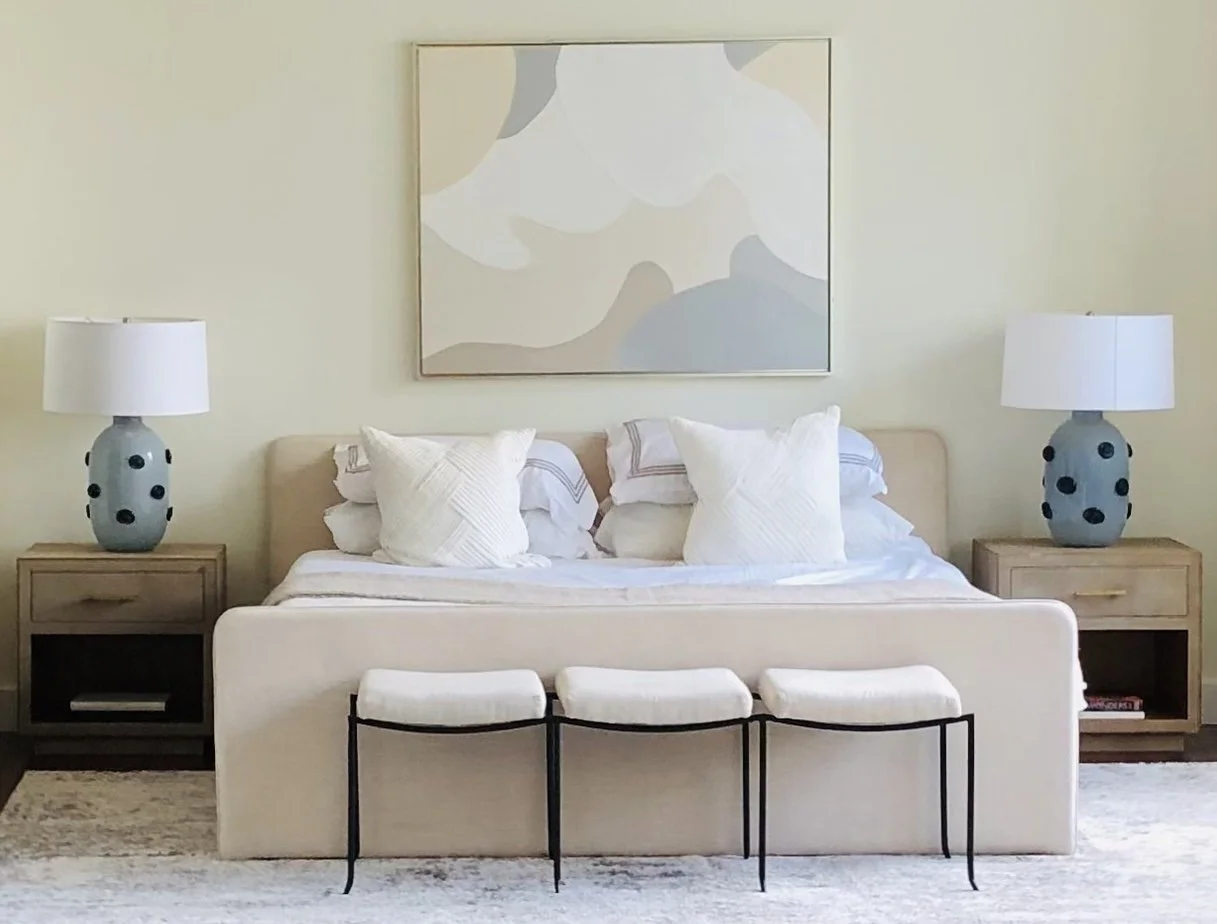
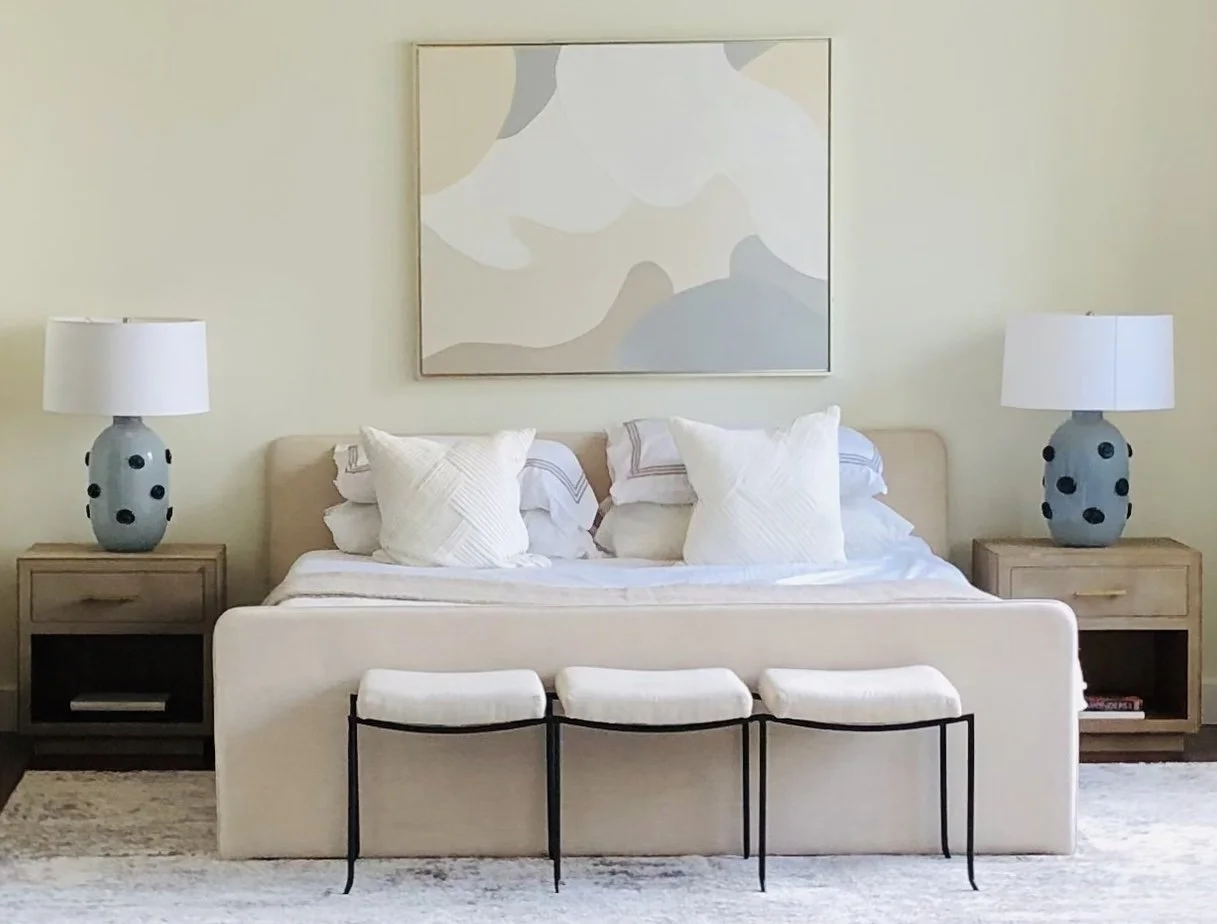
Colors: focus on reducing overstimulation and creating a calming environment using muted tones, pastels, and earthy, low-saturation shades. This is not to say you can’t have small pops of bright colors; however, if you do, it is tempered so as not to overstimulate the nervous system.
We hope these tips can be of support! For those interested in setting up a Feng Shui Consultation to better refine and customize the suggestions from a Feng Shui perspective, contact us!